Addition by Subtraction: Rethinking Simplicity for Air Handler Fans
When designing a product or service, simplicity can be the hardest thing to achieve. Is there such a thing as too simple? What complexity is required and who manages it? Does every product need to be as simple as possible? Who determines when a product is simple enough?
There are countless philosophical questions to be pondered on when thinking about simplicity and complexity, but where it counts the most is how it shows up when interfacing with a product. There is a misconception that not everything can be simple. At Q-PAC, we believe that with enough thoughtful deletion, any product can be simple, effective, and adaptable.
For something like a fan in a commercial air handler, why would simplicity be important? Aren't there special trades that exist whose sole purpose is to buy, install, operate, and maintain heavy equipment for buildings? Those trades do exist but they are dwindling in numbers and the cost for repair and maintenance for that equipment is at an all time high.
At Q-PAC, we believe there is an opportunity for improvement with how large equipment, specifically commercial HVAC fans, are bought, operated, and maintained. Historically, most fans have actually been pretty simple but have had the downside of being prone to failure. This trade-off hasn’t been resolved in hundreds of years and these fans are still being placed in new air handlers. Why can't an HVAC fan be simple and resilient?
The truth is, they can be. The multimotor plenum fan is an example of taking a complex solution to the resiliency challenge and combining it with the simplicity of legacy, simple blowers. By doing this, you get the best of both worlds without the sacrifice. To do this effectively though, we have to be thoughtful about what features to add or remove as it has a big impact on whether the product is perceived as complex or simple.
How do you know if you've hit the right level of simplicity?
When a new product hits the market, the consumers will be quick to tell you if it’s a viable product or not. There has to be a balance of functionality and simplicity. Your device may solve a problem that heavily impacts many people, but if it is difficult to use or implement, it might not be successful.
What does this actually look like in practice? How would you determine whether a function or feature is too complex or unnecessary for primary function? There are a few ways to approach this. Think about a specific feature of a product that you know of, and ask yourself the following:
Is the requirement for this feature stemming from old habits or old technology?
Does the feature go unused in applications that it was designed for?
Does the feature solve a problem that isn't present everywhere in the target market?
If you answered yes to these 3 questions, you may be making your product too complex.
Fan arrays tried to solve this resiliency problem by having more fans in the airstream, meaning that if one motor failed, the others would continue providing airflow. The downside of this idea is that there is an increase in the complexity of managing 6 fans compared to 1. In the beginning this complexity was worth it. But over time the complexity started rearing its ugly head. Non standard motors, backdraft implications, proprietary control schemes, electrical scope creep, and other non obvious complexities were never handled. As fan arrays started aging, these problems started to challenge the benefit that the arrays provided.
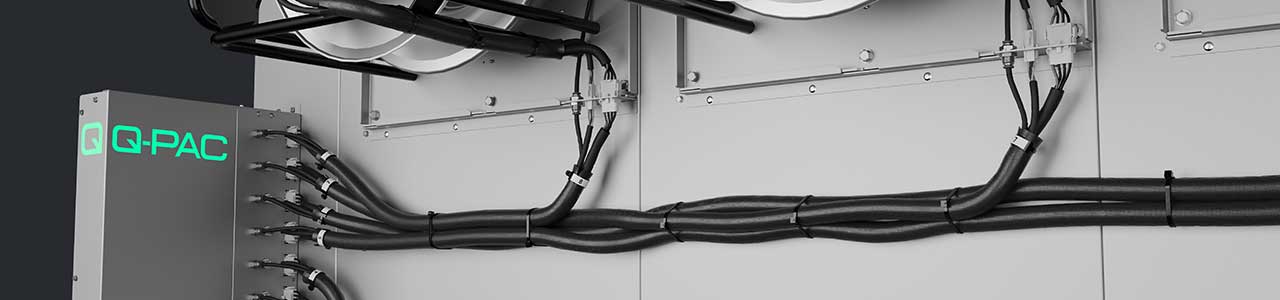
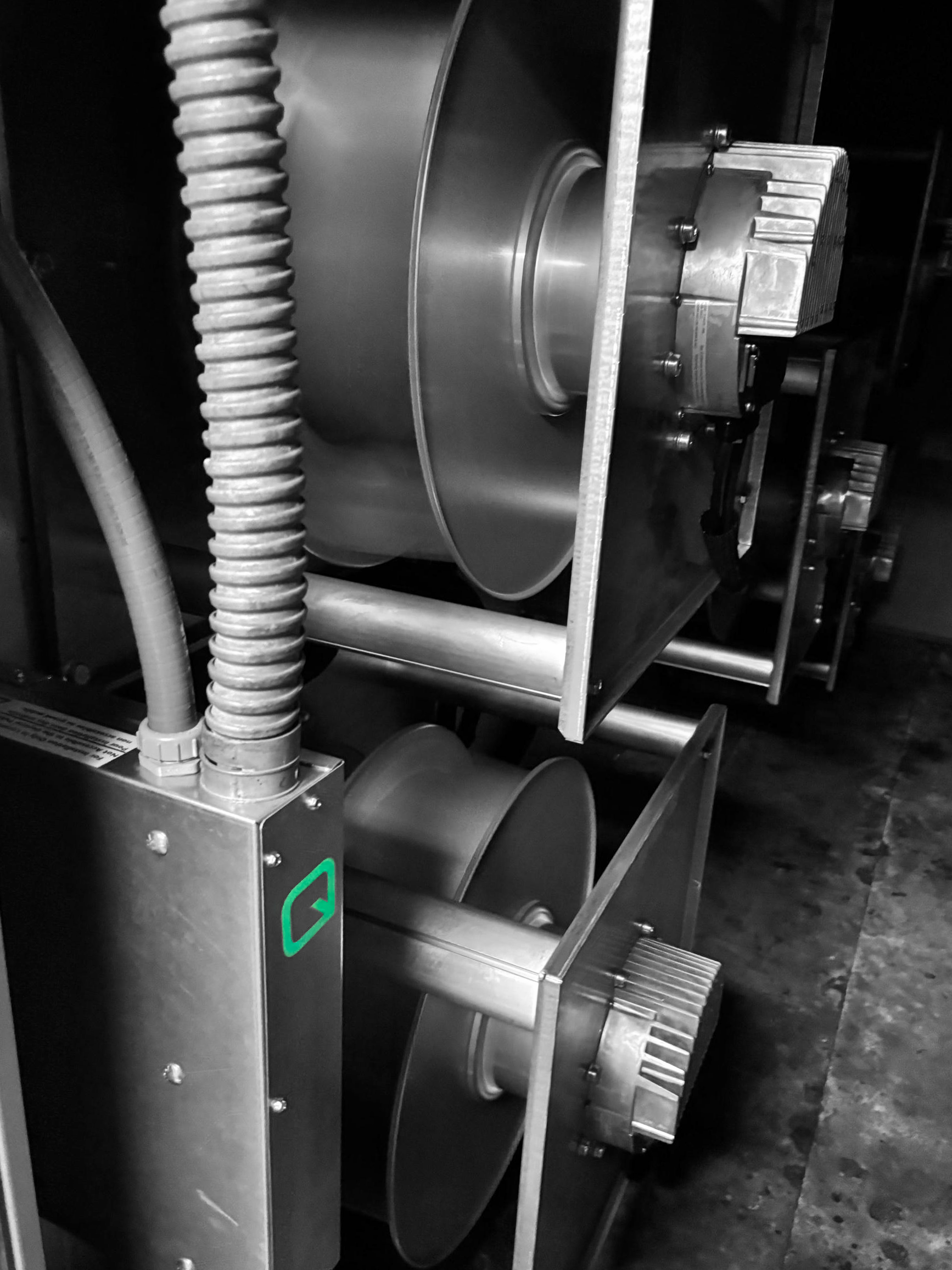
The multimotor plenum fan solved these complexities by simplifying the communication and connection to the motors, mainly by eliminating motor to motor communication. Motors are now interchangeable, easier to replace, and the controls and electrical connections mirror that of a single fan. We found that when motors needed their own addresses, it made long-term support painful and created versioning that was more complex than necessary. Going further, we also found that returning data for individual motors was usually overkill and unnecessary for the end user. Now we just return combined motor feedback, which lets us treat the product like a single device.
Creating this architecture seems like an obvious win for simplification, but it’s very hard to convince the existing market that this can really work, when they’ve adapted their processes for years to just account for those complexities. The sacrifice of less communication to the motor is a more difficult concept to adjust to for those who are industry veterans.
To add to the picture, we also simplified the installation of our product by adding pre-punched holes in the Fan Frame so that it’s ready to install as soon as it arrives at the facility. This is intended to generate harness routing, which allows for a simplified mounting experience. The pre-engineered knockdown kit of the Q-PAC Fan also includes palletized packaging of all components and accessories, easy-to-follow wiring guides, and requires no on-site fabrication. While this may seem like additional work on the factory side, the process has become standardized for quick-turns. The Q-PAC philosophy of simplicity follows the concept of ‘addition by subtraction’. Our goal is to make this process as simple as possible for the customer. The design work on the manufacturing side is intentionally engineered for efficiency once it reaches the end user.
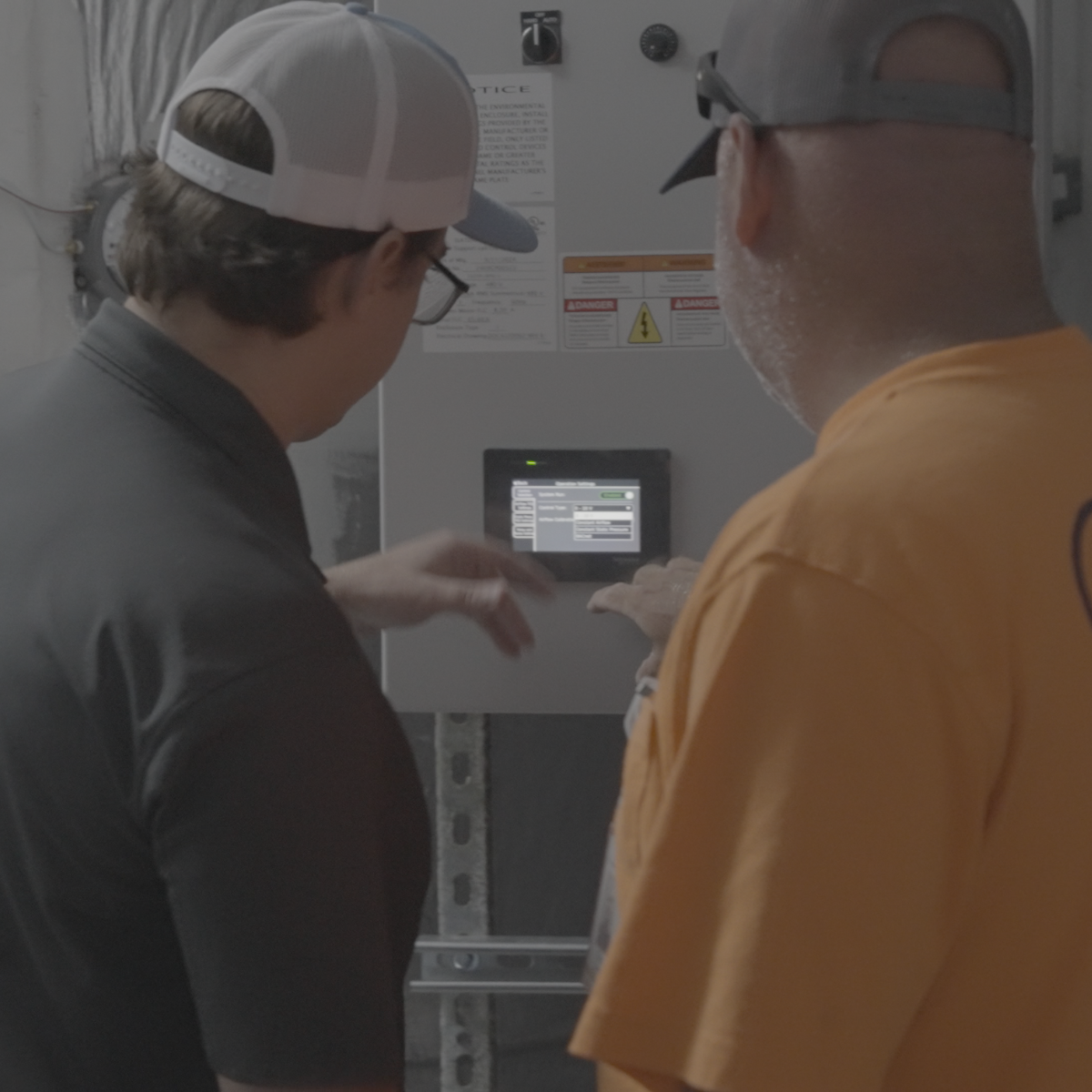
When talking about the MPF, the simplicity lands with those who are most impacted by the decrease in complexity. Consider simplified processes such as the reduction of the full wiring scope; not needing to operate 6 devices, just 1; and having the ability to control the product from a single point. Simplicity for the customer reduces the mental load facility teams who have to manage an entire building beyond the air handler fan.
Change is difficult, especially for industries where the status quo has been constant for a long time. Q-PAC wants to continue bringing change to the industry by challenging these long-held assumptions and traditions. We believe that the winning fan solution will be the one that serves the building owner the best; this winning solution could present itself as a function of total cost of ownership, maintenance requirements, or total downtime.
If you’re interested in learning more about the Q-PAC Fan and how it can simplify maintenance and operation for your facility, reach out to our team!