Fan Frames vs. Bulkhead Walls: Rethinking How Air Handlers Are Built
A companion to Q-PAC’s vodcast with Eric Muller, Engineering Manager
In commercial air handlers, installation problems rarely come from the fan itself. They come from everything around it.
In this vodcast, Eric Muller breaks down the difference between a traditional bulkhead wall and the Q-PAC Fan frame, and why that matters once you’re on site, under a deadline, trying to make everything fit.
The Problem with “How It’s Always Been Done”
A bulkhead wall, sometimes called a pressure wall, separates the upstream and downstream sides of an air handler. In a traditional setup, a single fan connects through a cutout, usually with a flexible connector.
On paper, it works. In the field, it often creates extra work.
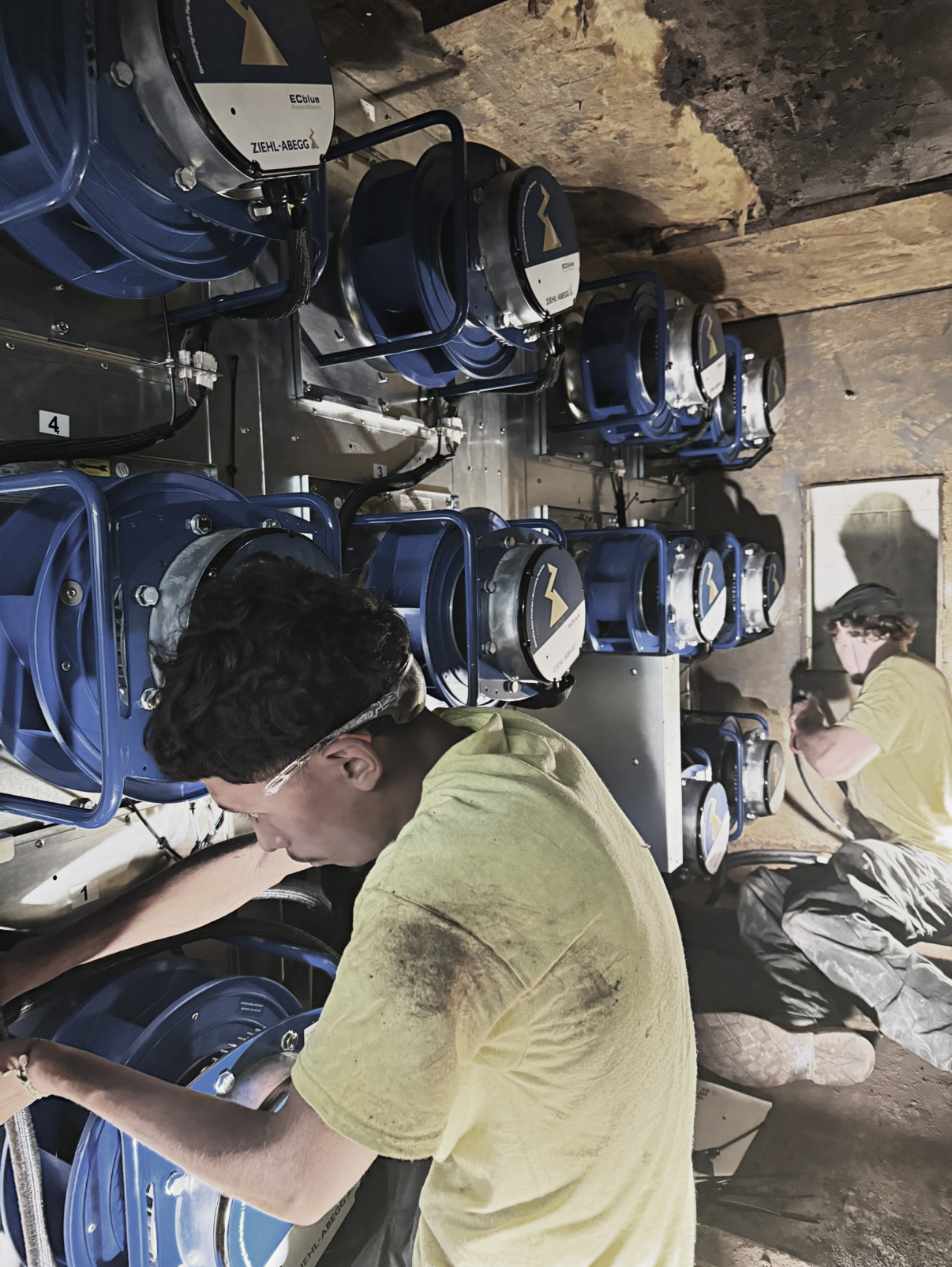
As Muller puts it, “Traditionally, the fan shows up, and then everything around it gets built in the field.” When that fan needs to be replaced, the setup rarely translates cleanly. Contractors end up fabricating sheet metal, filling gaps, and trying to recreate a seal that was never designed for easy replacement. That adds time, cost, and uncertainty.
Why Q-PAC Took a Different Approach
Q-PAC stepped back and asked a simpler question: what if the fan didn’t depend on a bulkhead wall at all?
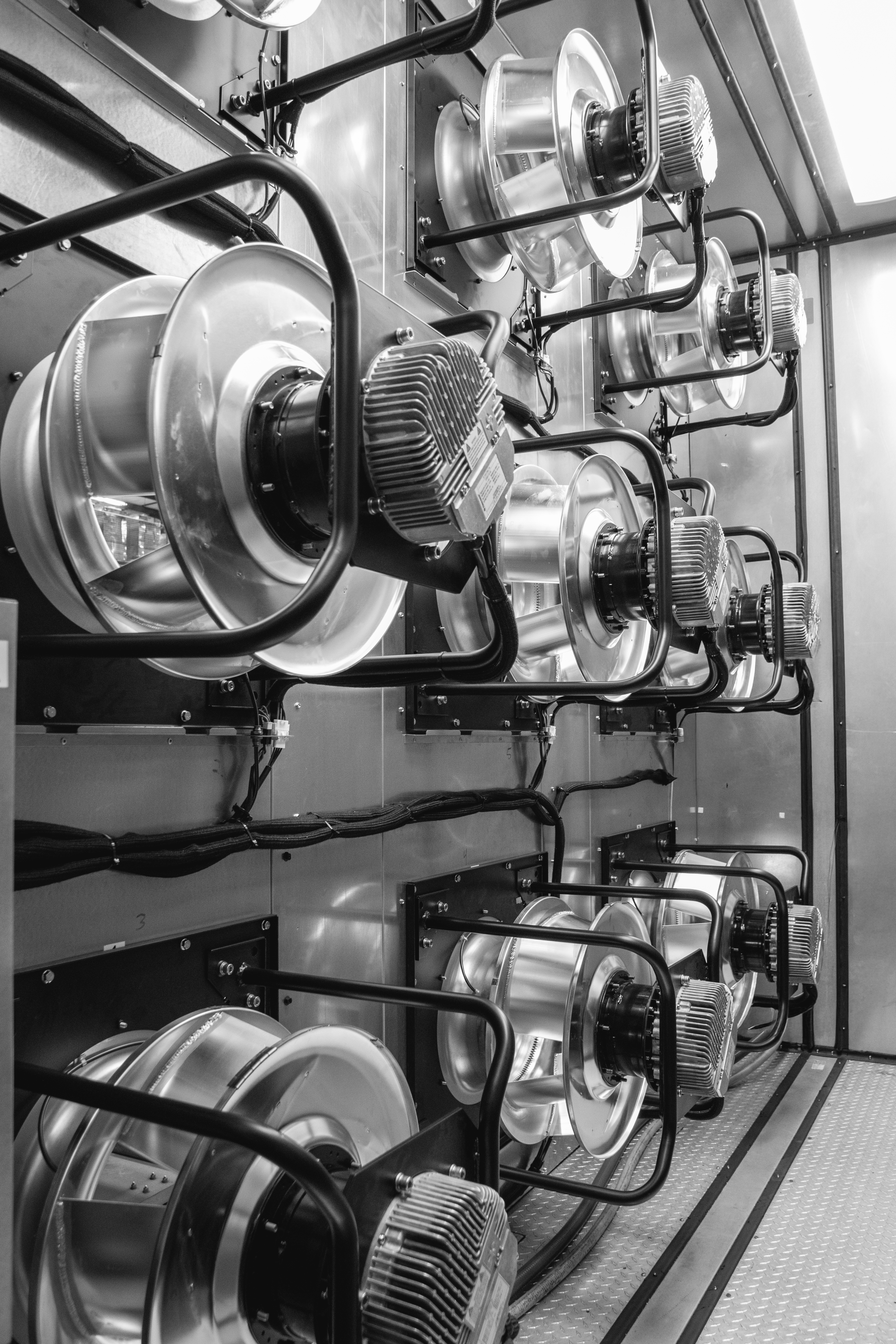
As Muller explains, “The frame isn’t just a bulkhead wall. It’s the structure that makes the fan work.”
That shift removes the need for custom fabrication in most installs. No patchwork. No guessing. No added structural scope.
What That Looks Like in the Field
Every part of the Q-PAC Fan frame is purpose-built:
Pre-punched holes for wiring and routing
Defined geometry for strength and alignment
Panels sized to match the air handler opening
The system arrives ready to assemble. No cutting. No trimming. No special tools.
It means less time on install and less complexity for the crew.
How the Q-PAC Fan Handles Support and Sealing
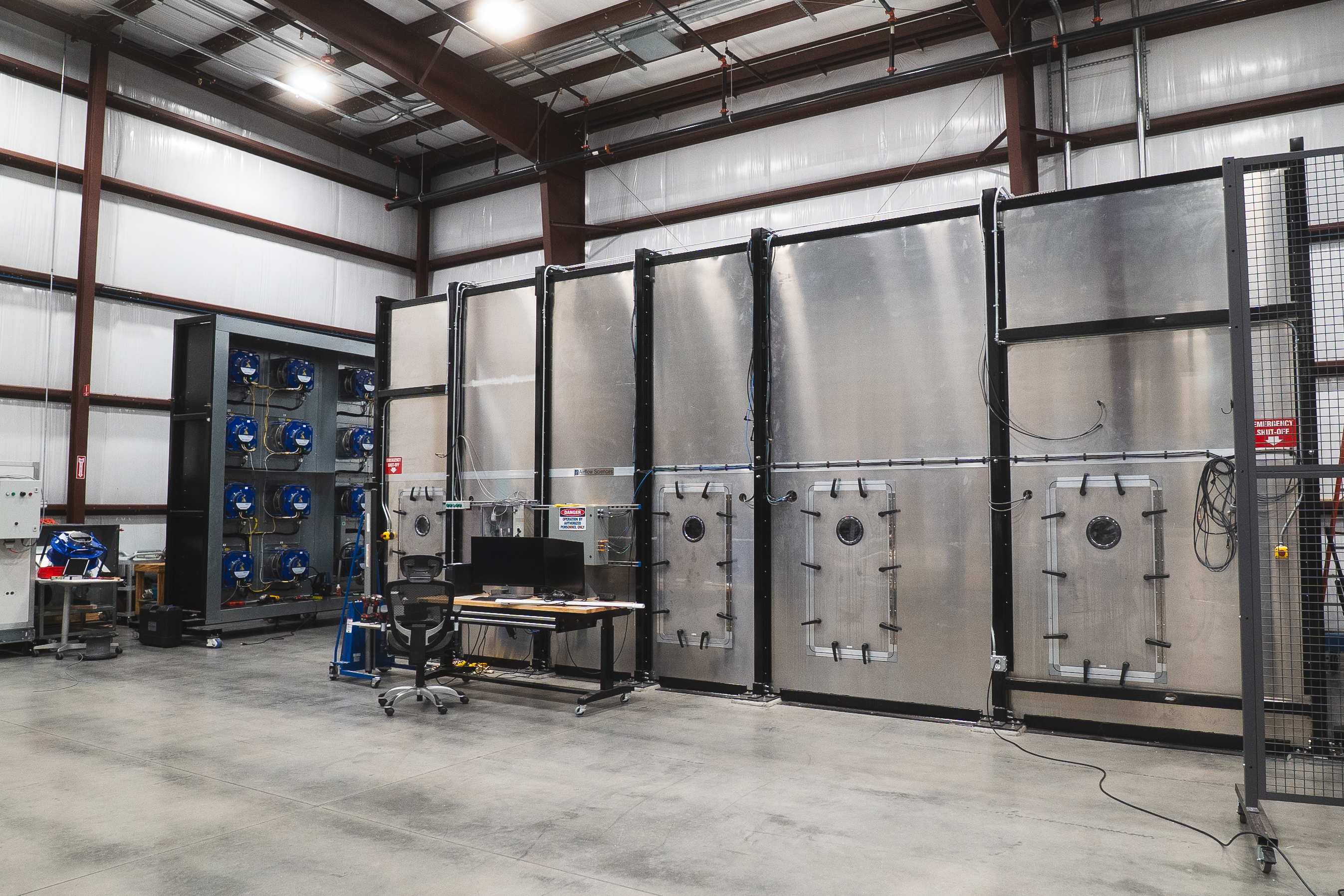
In most applications, the Q-PAC Fan frame covers the full cross-section of the air handler. Perimeter angles act as the mounting flange, so a separate bulkhead wall is not required.
If the unit is not square or measurements are off, additional sealing work may be needed.
Measure at the exact installation point. Not the inlet. Not the outlet.
What Does This Change for Your Team?
When you remove the need for a bulkhead wall and custom framing, the impact goes beyond installation.
Less coordination across trades
It’s not just electrical or controls. It’s the full structural scope.
Simpler controls
You get the reliability of a fan array, but it operates like a single device. One speed signal. One point of connection.
Cleaner installs
Full cross-sectional coverage reduces gaps and rework.
More predictable timelines
Defined structure and wiring make installs repeatable.
What to Know Before You Spec
Measure at the exact install location
Do not assume consistent dimensions
Account for coils and nearby components
Ask questions before ordering if anything looks off
The Bigger Picture
This is not just about replacing a fan. It is about removing the extra work that comes with it.
Traditional systems separate the fan, structure, and install process. That is where complexity shows up.
Q-PAC brings those pieces together into one system that installs cleanly and runs predictably.