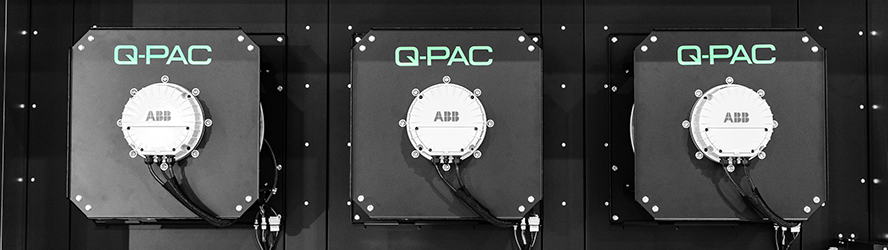
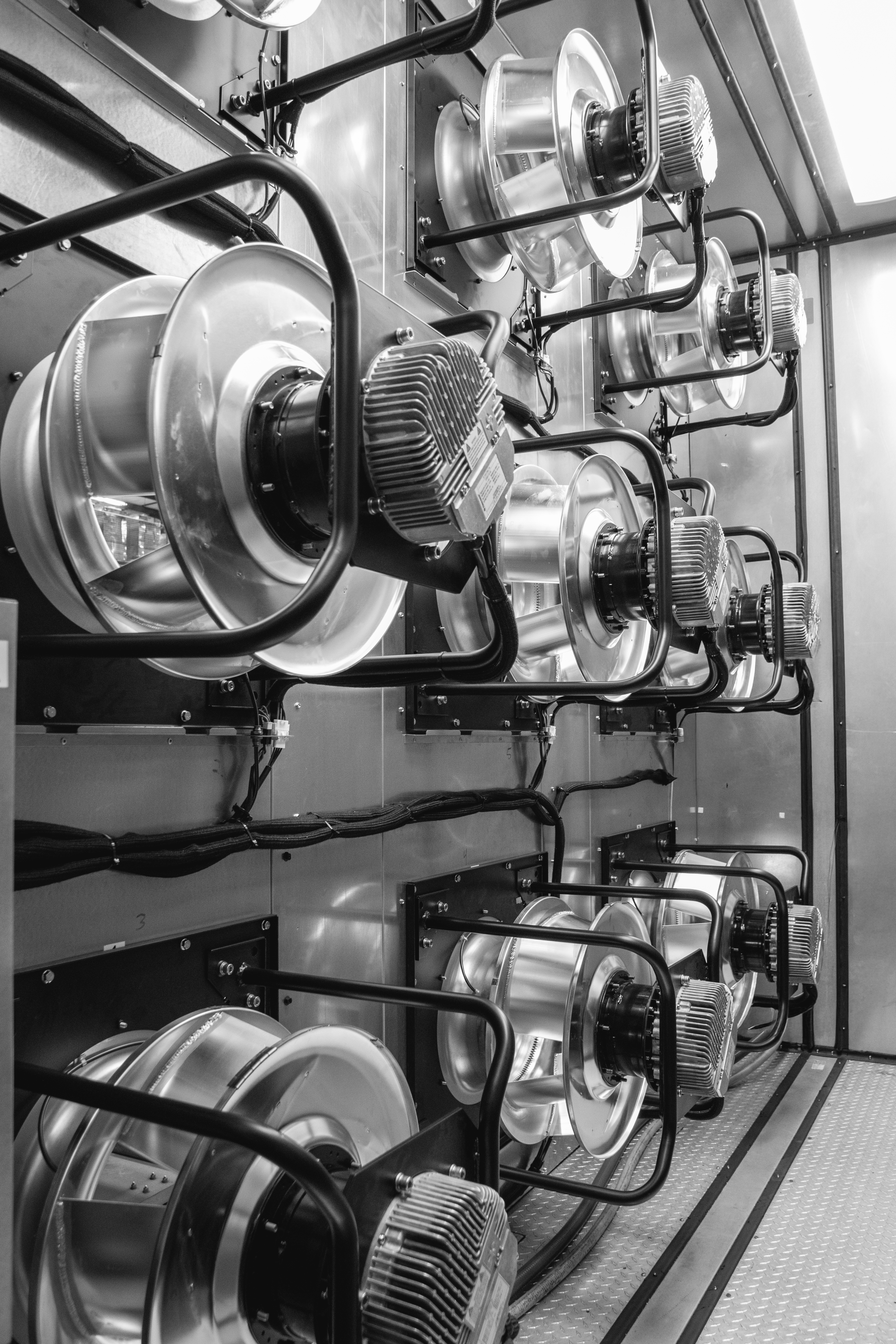
When Q-PAC introduced the Multimotor Plenum Fan (MPF) in 2025, the focus was on simplifying integration and improving usability. The architecture consolidated power and control into a single connection point, standardized frame panels and wiring harnesses, and introduced a controller that supports multiple communication methods and adapts to building control systems. Ordering, installation, and operation became more consistent.
However, one critical component remained unchanged: the plug fan
The Limitation of Relying on Third-Party Plug Fans
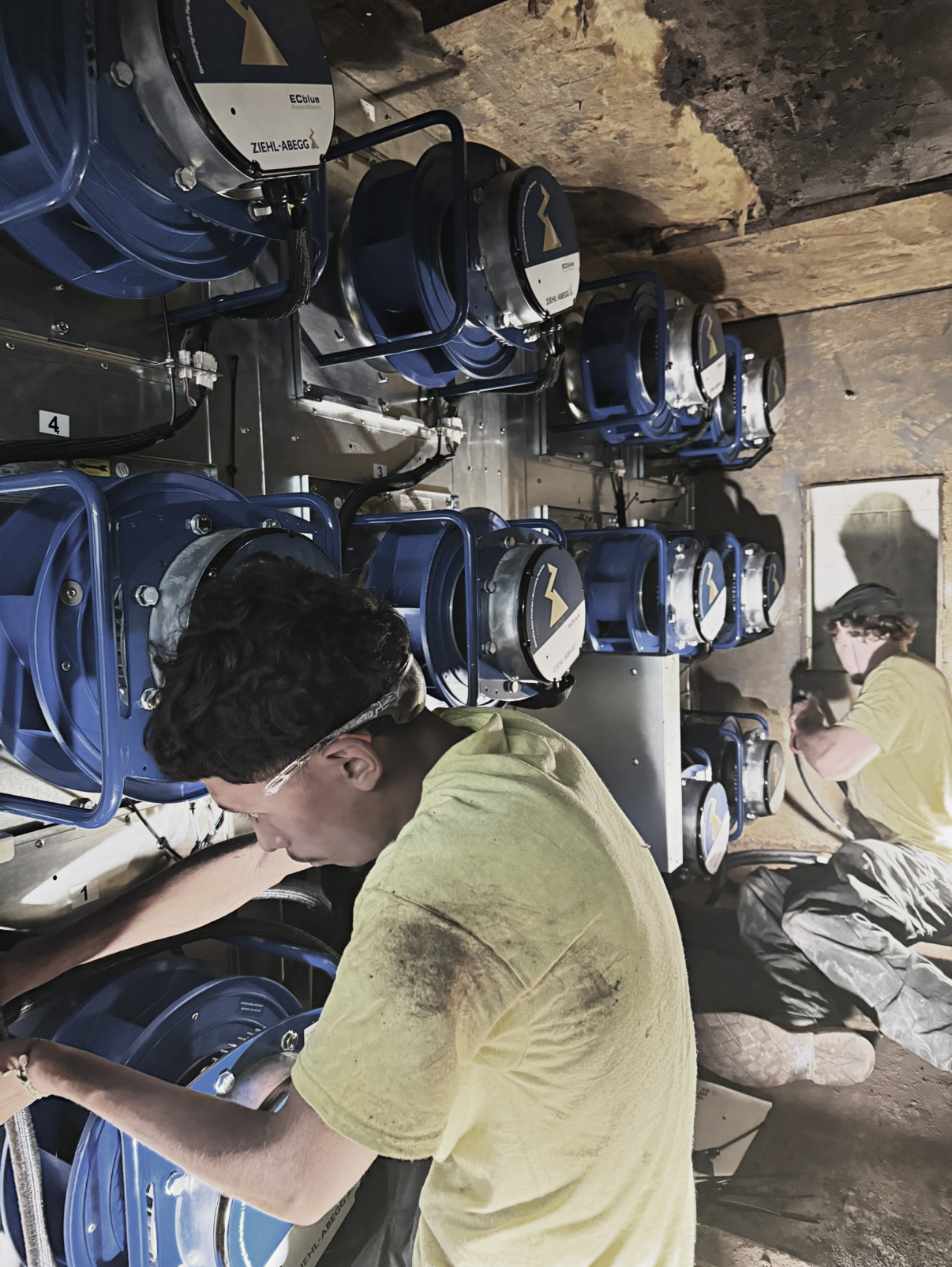
Historically, Q-PAC has sourced ECM plug fan assemblies exclusively from external manufacturers. This approach required maintaining a large inventory of compatible models to fulfil new orders and support replacements in the field.
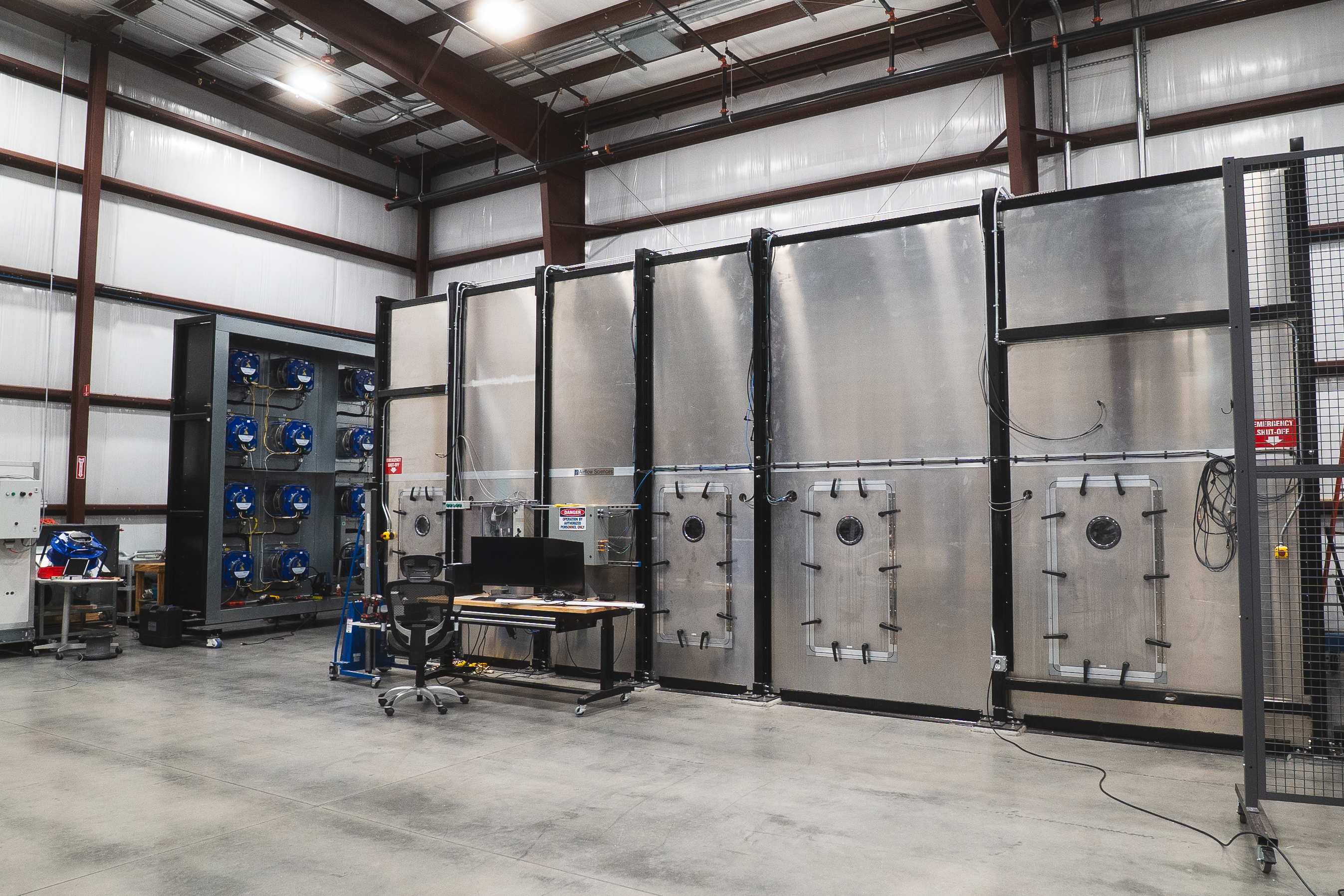
Maintaining that inventory has been a strength. By stocking thousands of plug fans, Q-PAC has been able to buffer against supply chain disruptions and provide continuity for customers.
As the business scales, this model becomes increasingly difficult to sustain.
Inventory grows in proportion to product variation. Different manufacturers, sizes, motor configurations, and mounting requirements all introduce complexity. Carrying this breadth of stock ties up capital, increases handling overhead, and limits flexibility when lead times extend or product lines change.
Moving Toward an In-House Plug Fan Design
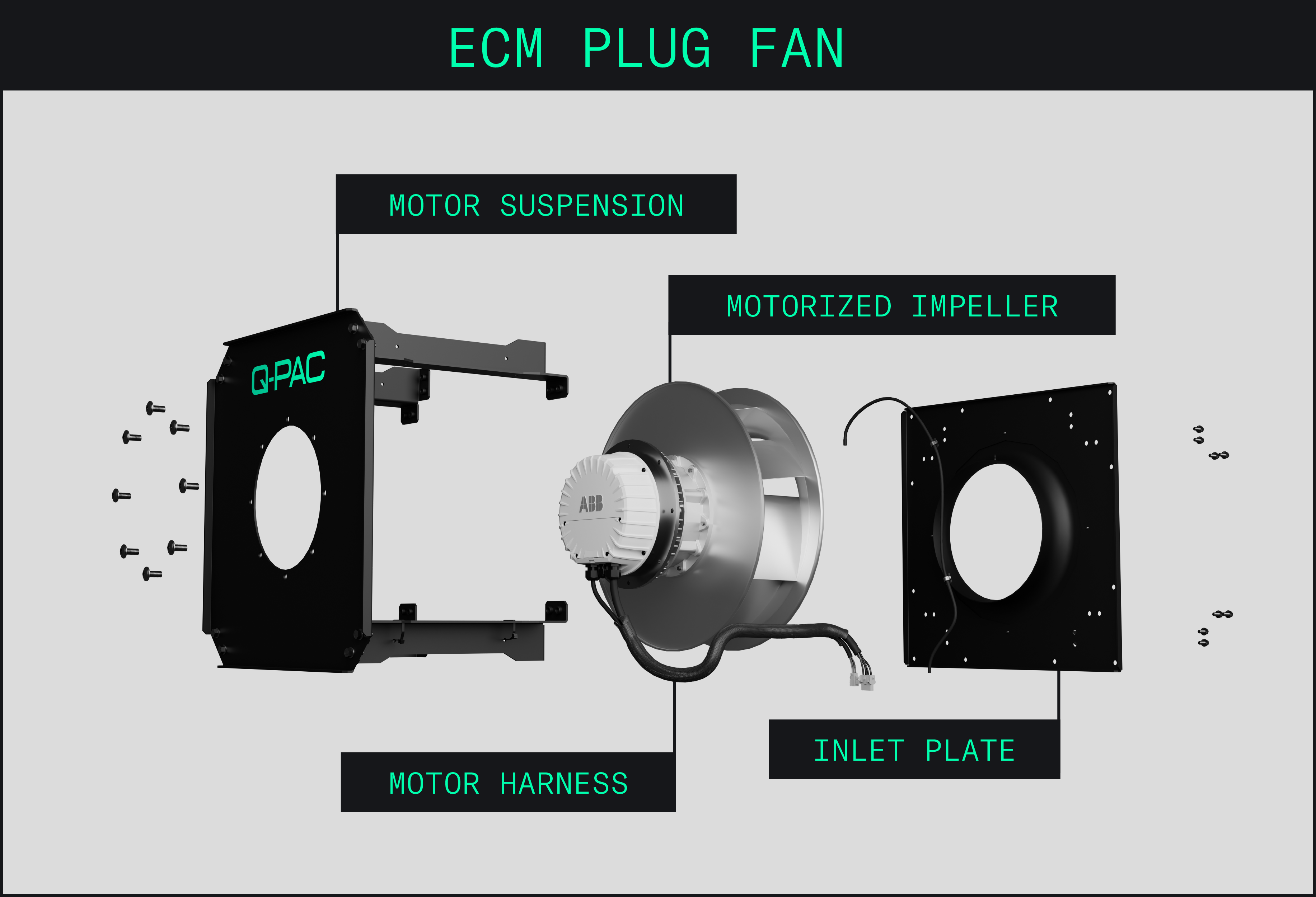
Developing an in-house plug fan allows Q-PAC to move away from adapting to available options and toward defining a consistent, system-aligned design.
The release of ABB’s external rotor EC motor in 2025 provided a suitable foundation for this shift. Q-PAC already builds around this motor architecture, making it possible to design a plug fan that integrates directly with the MPF platform rather than working around third-party constraints.
This approach creates control over both the physical design and the performance envelope of the fan.
On the mechanical side, standardization reduces variation across models:
Consistent mounting geometry and fastener patterns
Repeatable dimensions across product lines
On the performance side, it removes dependence on fixed catalog selections:
Motor sizes and plug fan selections can be better targeted to actual application demands
Designs can avoid overbuilt or underutilized configurations
Instead of selecting the closest available option from manufacturers servicing multiple industries, Q-PAC can target real HVAC demands.
Standardization also reduces friction across the lifecycle of the product. Differences between manufacturers—dimensions, interfaces, and internal motor features—are a common source of complexity in both design and service. A consistent architecture allows Q-PAC to:
Reduce the number of unique parts in inventory
Simplify installation and replacement processes
Support a wider range of applications with fewer configurations
The result is not just a new plug fan, but a shift in how the component is defined. Rather than being a variable input, the plug fan becomes a controlled part of the system, aligned with the MPF in both form and function.
Rethinking the Motorized Impeller Assembly
Control over the plug fan design also opens the door to changes in how motorized impellers are maintained and replaced.
Current assemblies are often treated as single, heavy components. Replacement typically involves replacing the full unit, regardless of which part has failed. With a standardized design, the scope of replacement can be optimized to improve serviceability without adding complexity.
Simplifying the Motor Architecture
Most ECM plug fan motors include embedded features such as control logic, communication protocols, and onboard protections. While these functions can be useful in standalone applications, they are often redundant at the system level—especially in a fan array where each motor carries the same internal capabilities.
In this model, those features are replicated across every motor. As fan counts increase, the cost of those embedded features scales with it.
Q-PAC’s MPF already includes a centralized Fan Controller, which creates a different approach.
By shifting these functions out of the motor and into the controller, the system avoids paying for the same capabilities multiple times. Instead of each motor carrying its own control stack, those features exist once at the system level.
This creates an opportunity to shift functionality out of the motor and into the controller, resulting in:
A simpler motor design
Reduced replacement costs
Fewer variations between motor models
More consistent control across the system
Instead of each motor acting as a standalone system, the MPF can manage control centrally.
Q-PAC has already experienced the challenges that come with managing variation across plug fan manufacturers—differences in design, interfaces, and embedded features that add cost without delivering consistent system-level value.
By bringing the plug fan into its own design scope, Q-PAC is no longer required to accommodate those differences or carry unnecessary complexity forward. The result is a more defined system, where components are aligned in both function and intent.
This shift is not about adding features, but about removing redundancy, standardizing what matters, and ensuring that performance, serviceability, and cost scale in a controlled way as the product grows.
If you’re interested in learning more about the Q-PAC Fan and how it can simplify maintenance and operation for your facility, reach out to our team!