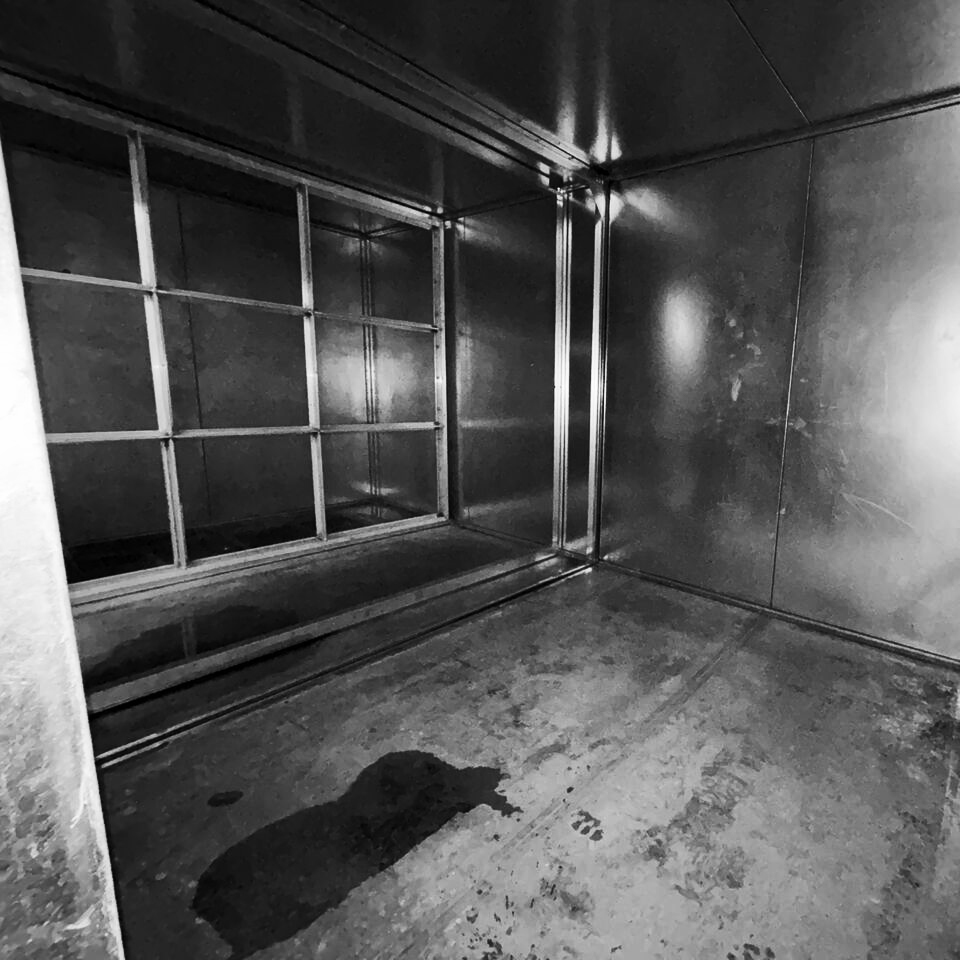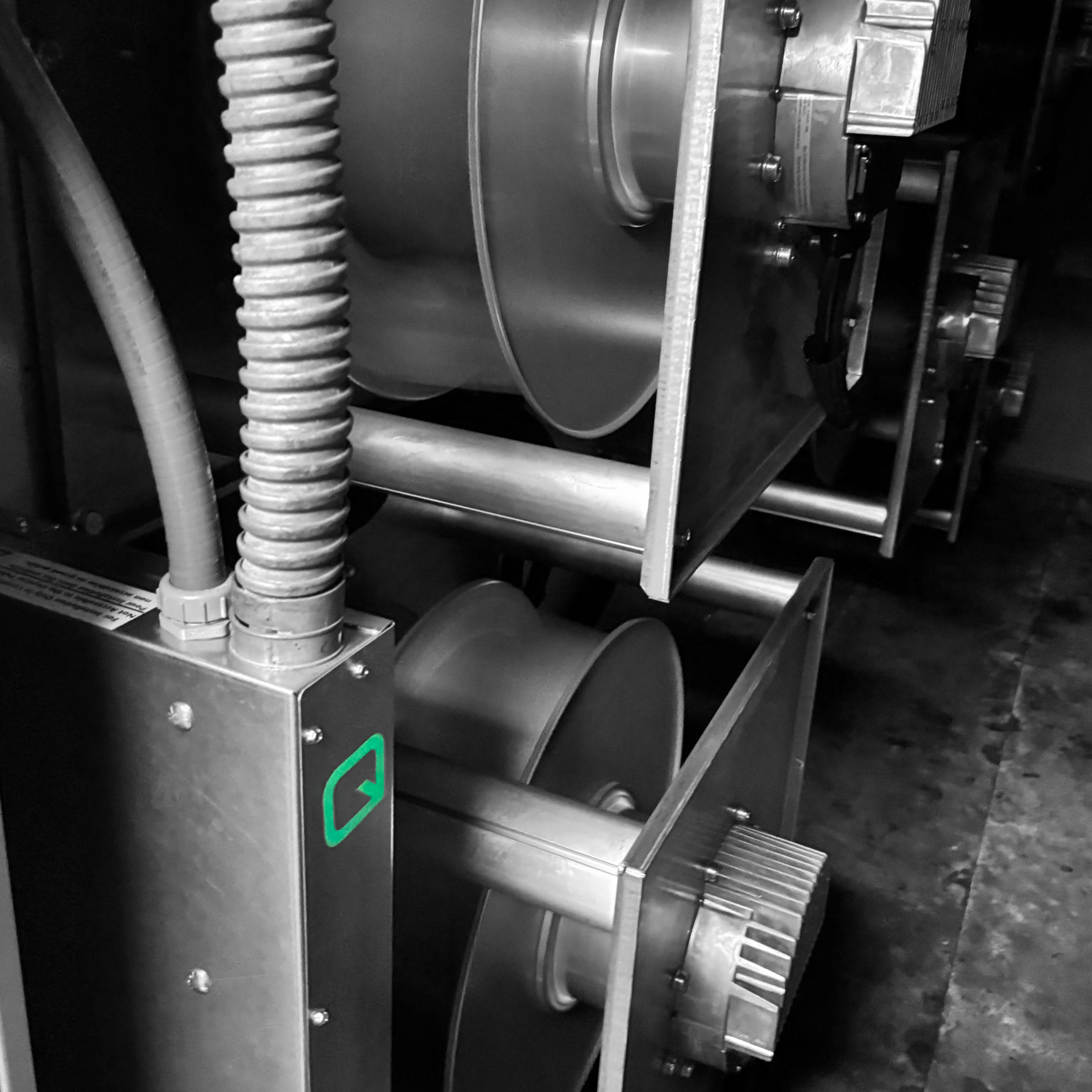
What are Backdraft Dampers?
Backdraft dampers are one-way airflow valves used in HVAC systems to prevent reverse flow when fans are not operational. Historically, they have been common on exhaust fans and outdoor air intakes. For example, a gravity backdraft damper at an exhaust duct outlet stops outside air from flowing backwards into the building when the fan is off.
The concept dates back decades as a simple means to block unwanted drafts. In basic form, a backdraft damper has blades or flaps that remain closed when there’s no forward airflow, and automatically open when the fan pulls air through in the correct direction. This ensures air travels only in one direction. Over time, backdraft dampers have evolved from simple flapper doors to more sophisticated low-leakage dampers meeting modern energy code requirements. Today’s commercial dampers often use tighter seals and even motorized actuation to comply with these standards for air leakage when closed.
More recently, backdraft dampers are being put onto each inlet of a fan in a fan array to prevent the recirculation of air. If one of the fans fails, it may take weeks to get a replacement installed or days to get a blank off plate manufacturer to cut off the recirculation. When left limping along like this for a long period of time, energy costs can go way up, and efficiency can go way down.
Performance Impacts and Efficiency Considerations
While dampers can add reliability, they also introduce airflow resistance and complexity to the system. In general, an AHU with fan inlet dampers will typically have a slightly higher static pressure requirement than one without due to the damper losses. When all fans are running and their dampers are open, the air must pass through the damper frames and blades. This causes a pressure drop, meaning the fans have to work harder to pull air over the blades. The effect can be small or significant depending on the damper design and airflow velocity.
There are some damper manufacturers who claim that the damper has a “Zero Pressure Drop”, meaning the damper adds no additional resistance to the system. In reality, there is always a little bit of resistance even in the most advanced airfoil designs. When looking at the manufacturer’s data for how much resistance the damper adds, it's important to make sure the data represents how it would be applied. Dampers will add more of a pressure drop when they're right in front of a fan inlet than if they're installed five duct diameters upstream due to the increase in air velocity.
Over time, just a 0.2 in.wc. pressure drop can cost thousands of dollars of added energy usage when considering the fan's lifetime cost. When considering whether to add dampers, it's important to evaluate whether the fan system really needs the failsafe. It comes down to what kind of fan technology is being used.